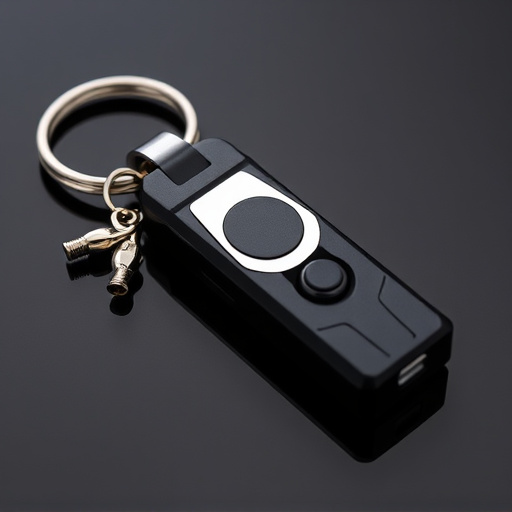
The Heart Attack Self-Defense Keychain is a compact, innovative self-defense tool designed to empower individuals with a simple yet effective mechanism. Crafted from durable materials like stainless steel or titanium, it ensures resilience and corrosion resistance. The keychain's strategic design targets pressure points to temporarily shock or disorient assailants, disrupting their balance for escape or help-seeking. Its ergonomic grip design and contoured shape offer comfort and quick deployment, while customization options enhance its uniqueness and user confidence.
The Heart Attack Self-Defense Keychain is a compact, powerful tool designed to give you peace of mind in potentially dangerous situations. This article provides essential insights into creating an effective keychain grip that combines durability with user safety. We’ll explore key metal selection, ergonomic design principles, and personalization tips to ensure your self-defense keychain not only looks great but also functions flawlessly when it matters most.
- Understanding the Heart Attack Self-Defense Keychain Concept
- Choosing the Right Metal for Durability and Safety
- Grip Design Principles for Effective Defense
- Ergonomics and Personalization Tips for Optimal Carry
Understanding the Heart Attack Self-Defense Keychain Concept
The Heart Attack Self-Defense Keychain is a compact and innovative tool designed to empower individuals with a simple yet effective self-defense mechanism. This keychain grip isn’t just about aesthetics; it leverages a strategic design inspired by real-world combat techniques. The concept revolves around providing users with a quick and reliable method to defend themselves in unexpected situations, making it a must-have accessory for anyone prioritizing personal safety.
Understanding the core principle behind this keychain involves grasping its ability to induce a temporary state of shock or disorientation in an assailant. Its design incorporates specific pressure points and grip techniques that, when applied correctly, can disrupt an attacker’s balance and control, allowing the user to escape or seek help. With a focus on practicality and ease of use, the Heart Attack Self-Defense Keychain offers a viable solution for personal safety without sacrificing portability.
Choosing the Right Metal for Durability and Safety
When designing a heart attack self defense keychain, selecting the appropriate metal is paramount for both durability and user safety. Opting for high-quality metals like stainless steel or titanium ensures your keychain can withstand frequent use and extreme conditions. These materials offer excellent resistance to corrosion, making them ideal for outdoor activities or high-moisture environments where traditional metals might falter.
Choosing the right metal also enhances the overall performance of your self defense tool. Stainless steel’s strength and flexibility allow it to absorb impact without shattering, a critical feature for a keychain designed as a last-resort defense mechanism. Titanium, on the other hand, offers exceptional lightweight durability, ensuring your keychain remains comfortable and easy to carry at all times. Remember, the right metal choice translates directly into peace of mind, knowing your self defense accessory is ready when you need it most.
Grip Design Principles for Effective Defense
When designing a Heart Attack Self Defense Keychain, understanding grip design principles is paramount to ensuring its effectiveness. The primary goal is to create a secure and intuitive grip that allows users to deploy the keychain swiftly and confidently during an emergency. Start by focusing on balance—a well-balanced keychain distributes weight evenly, enhancing control and maneuverability. This balance ensures the user can apply force effectively without compromising their own stability.
Additionally, consider the key components of a solid grip: finger placement, material texture, and overall ergonomic design. Finger grooves or textured surfaces help secure the keychain in your hand, preventing slipping during high-stress situations. Materials like durable metal or high-friction rubber can significantly improve grip strength. Aim for a design that feels natural in your hand, allowing quick access to the self-defense tool without causing discomfort or strain.
Ergonomics and Personalization Tips for Optimal Carry
When it comes to carrying a self-defense keychain like the Heart Attack Keychain, ergonomics play a vital role in ensuring its effectiveness and comfort during use. The design should allow for a secure grip, reducing the risk of dropping or misplacing the device. Opting for a contoured shape that fits comfortably in your hand can make a significant difference in your ability to deploy it quickly and efficiently when needed. Personalization is another key aspect; engraving custom text or adding a unique design element not only makes the keychain more distinctive but also serves as a visual reminder of its purpose, enhancing your confidence in its utility.
When it comes to the Heart Attack Self-Defense Keychain, a well-designed grip is key. By understanding the concept, selecting suitable metal alloys, and focusing on ergonomic principles, you can create a powerful and reliable defense tool. Remember, the right keychain design ensures both durability and ease of use, making it an essential accessory for personal safety. Implement these grip design tips to maximize the effectiveness of your Heart Attack Self-Defense Keychain.